
Buying a Shell vs a Finished Expedition Truck
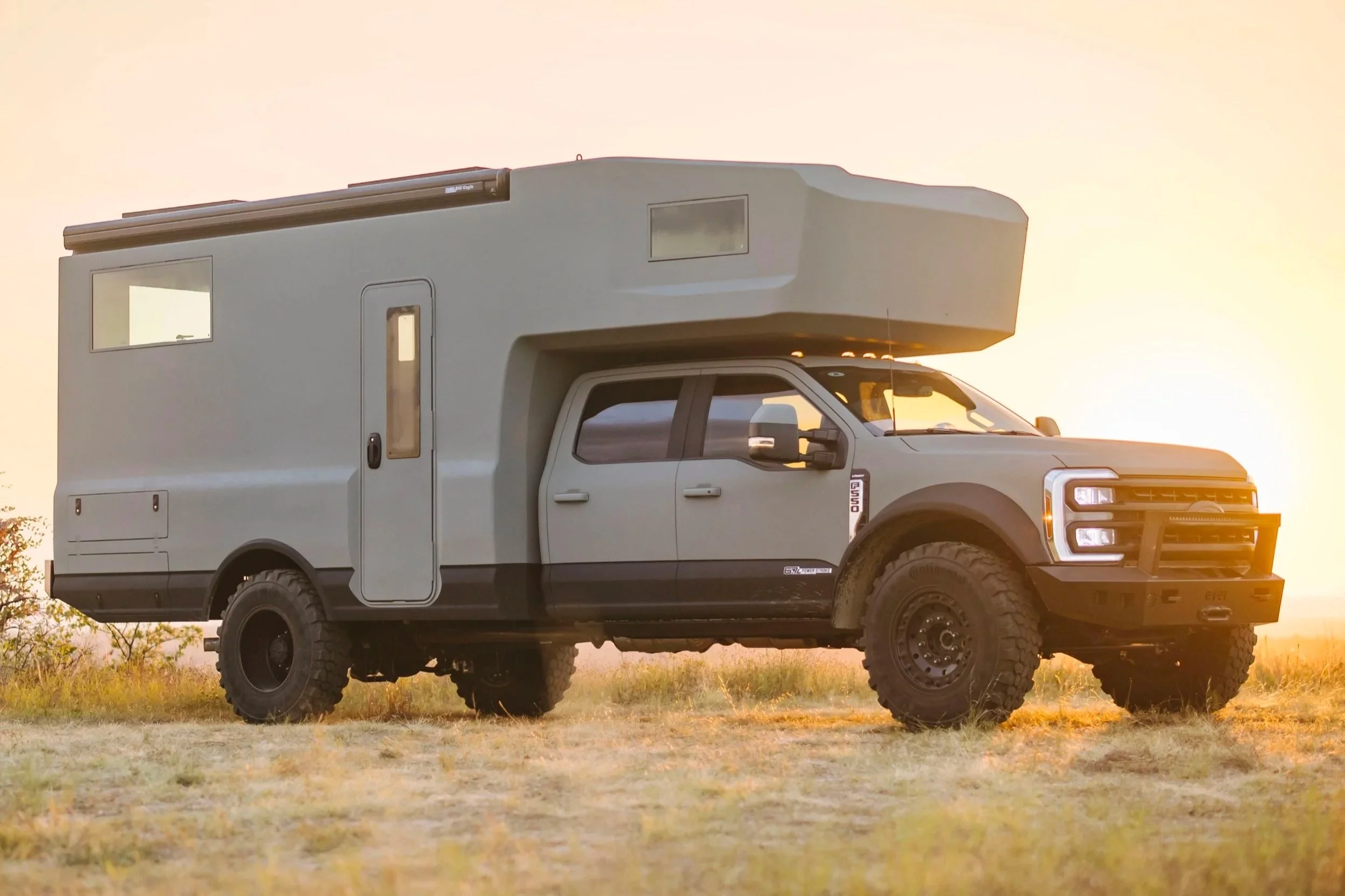
When planning an expedition vehicle, one of the first major decisions is whether to buy a finished expedition truck or start with a shell and build from there.
Both approaches can result in capable vehicles.
The difference is how much control, flexibility, and financial efficiency you want throughout the build.
Finished Expedition Trucks: Convenience With Constraints
A finished expedition truck is delivered as a turnkey solution, with the interior, systems, and layout already designed and installed by a manufacturer or builder.
Advantages
Faster path to use
Single purchase and delivery
Known final price at time of purchase
Minimal involvement during the build
This approach works well for owners who:
Want a ready-to-use vehicle
Prefer not to manage design decisions
Are comfortable with a fixed layout and system choices
Tradeoffs
Finished trucks are built around predefined assumptions:
Number of occupants
Travel style and climate
System priorities
As a result:
Layout changes are difficult later
Systems can be harder to modify or service
Owners often pay for features they don’t need—or lack features they do
At the high end of the market, these constraints are often accepted as the cost of convenience.
Shell-First Builds: Control, Flexibility, and Real Cost Advantages
A shell-first approach separates the expedition vehicle into clear stages:
The chassis
The structural shell
The interior systems and finishes
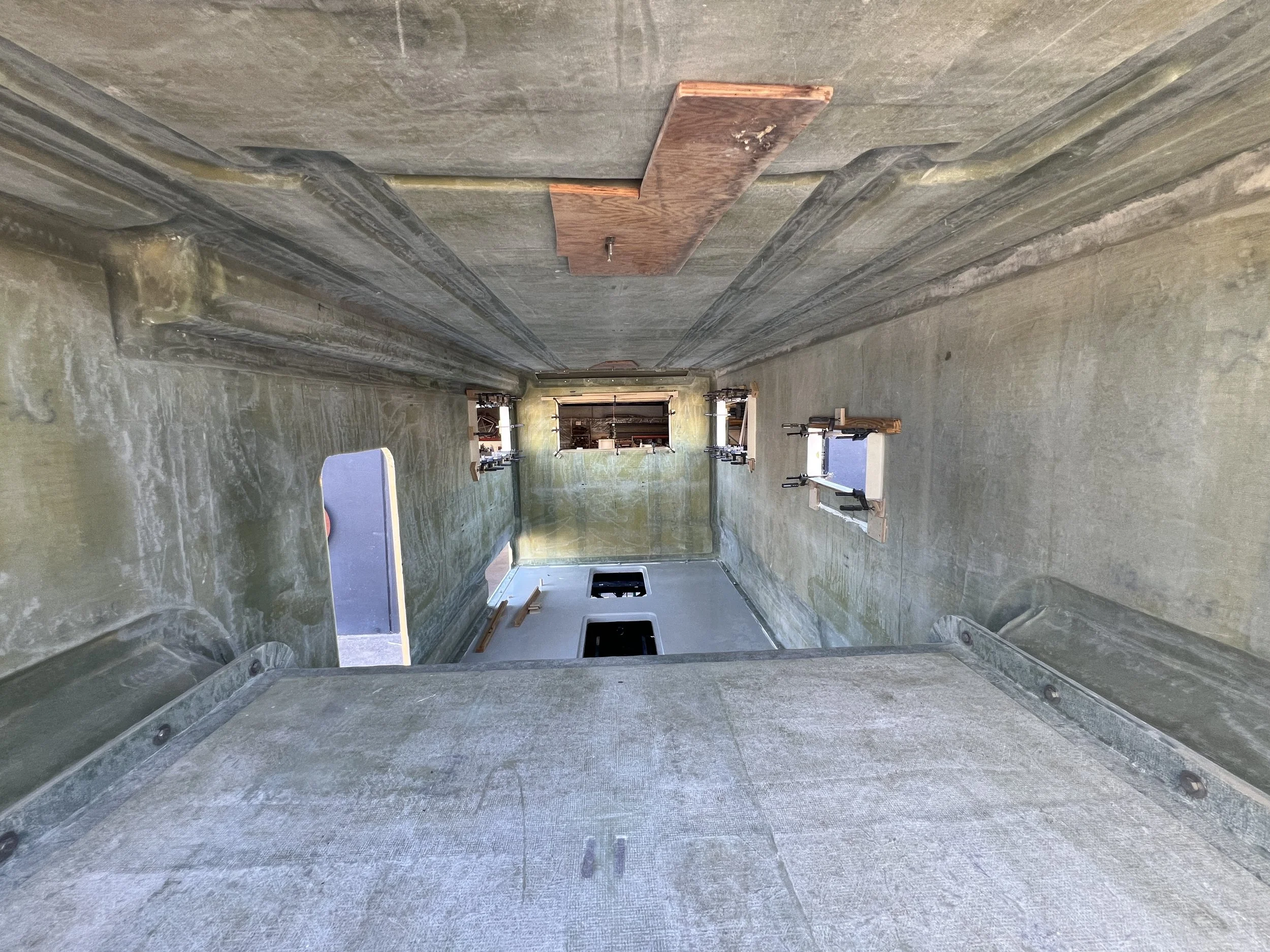
The shell provides a rigid, weather-resistant monocoque enclosure, while everything inside is designed later—by a professional builder, the owner, or a combination of both.
Why Builders and Owners Choose This Path
Design control
Interiors are designed around real use cases rather than fixed floorplans.
Phased construction
The build can progress over time, aligning with budget, availability, and priorities.
Serviceability and longevity
Systems can be accessed, modified, or replaced without tearing out finished interiors.
Meaningful cost efficiency
While shell-based builds are not “budget” builds, they often deliver significant value per dollar compared to turnkey vehicles of the same class.
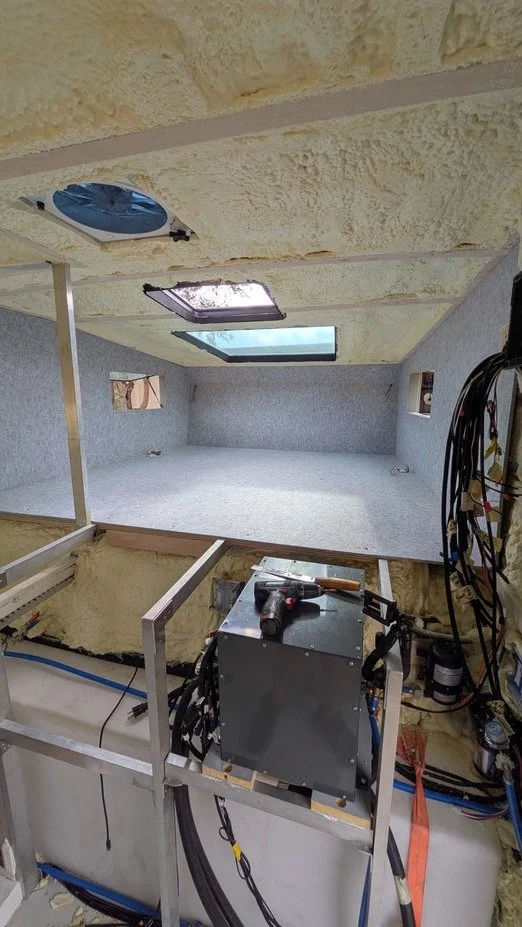
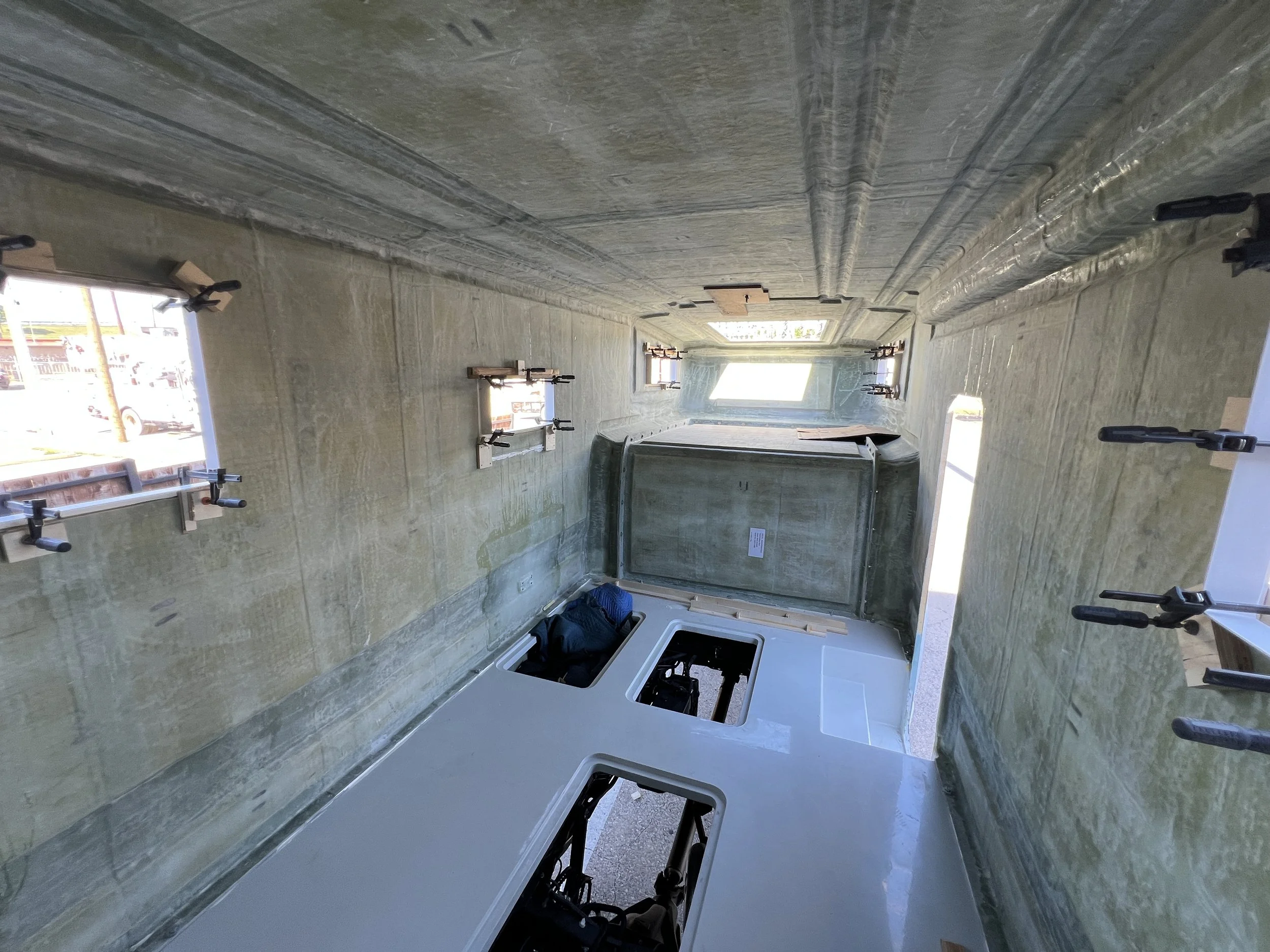
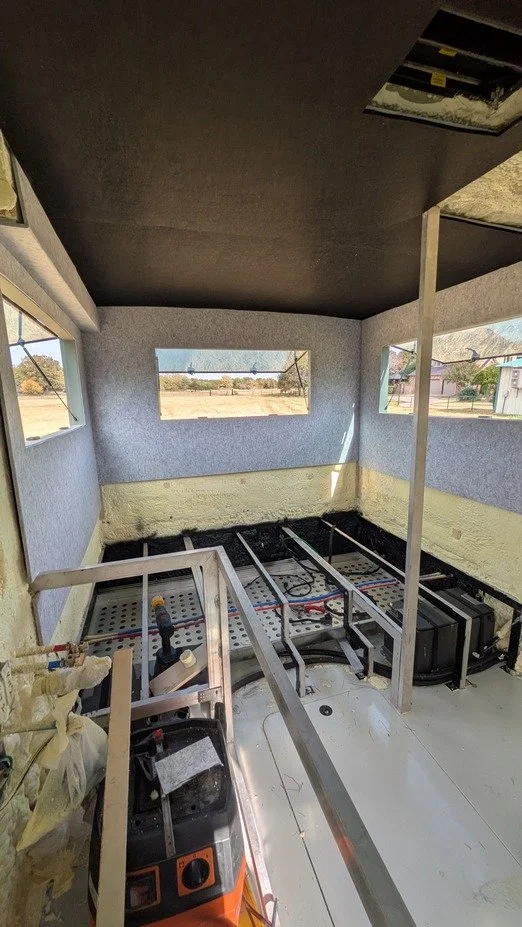
A Realistic Cost Comparison
Below is a typical mid-range shell-based build using an Ever Expedition Shell. These numbers are illustrative and vary by builder, systems, and finishes.
Ever Expedition Shell: $75,000
Truck & Fit-Out Components: $100,000
Labor & Mid-Range Finish Materials: $100,000
Estimated Total Build Cost: ~$275,000
Comparable finished expedition vehicles of similar size, capability, and aesthetic commonly retail for:
$375,000–$500,000+
The difference is not simply cost—it’s where the money goes:
Less spent on predefined layouts
More spent on systems and features that matter to the owner
Greater long-term adaptability
For builders, this structure also provides a clear and repeatable pathway to profitability while delivering a highly differentiated end product.
Building Before the Truck Is Ready
A shell-based build does not require the truck to be on-site from day one.
The Ever Expedition Shell can be:
Placed on a dolly
Fully or partially built out before the chassis is available
This is particularly useful when:
New truck deliveries are delayed
Owners are sourcing used chassis
Builders want to advance the project without waiting on the vehicle
Working on the shell off-truck also:
Improves access and ergonomics
Reduces time spent climbing in and out of a mounted vehicle
Simplifies sequencing for electrical and interior work
The shell includes integrated hoist points to allow safe lifting and final mounting once the chassis is ready.
Which Approach Is Right?
A finished expedition truck may be the right choice if you:
Value speed and simplicity
Prefer a single-vendor solution
Are comfortable with fixed design decisions
A shell-first build may be a better fit if you:
Want control over layout and systems
Are working with a builder or planning a DIY build
Value long-term adaptability
Want a cost structure that rewards intentional design
Neither approach is inherently better.
They reflect different priorities.
Finished expedition trucks prioritize:
Convenience
Speed
Defined outcomes
Shell-based builds prioritize:
Control
Flexibility
Long-term value
Cost efficiency at the high end of the market
Understanding this difference early helps owners and builders choose the right path—and avoid expensive compromises later.
